Urinary System Incontinence
Preventing Perimenopause Bladder Issues
When the bladder muscular tissues tighten up, pee is forced out of your bladder through a tube called the urethra. At the same time, sphincter muscular tissues around the urethra relax to let the pee out of your body. Urinary urinary incontinence is the loss of bladder control, or leaking pee. You can collaborate with a therapist to better comprehend exactly how your body works. In biofeedback, a wire is attached to an electrical patch over your bladder and urethral muscles.The Duty Of All-natural Supplements In Bladder Support
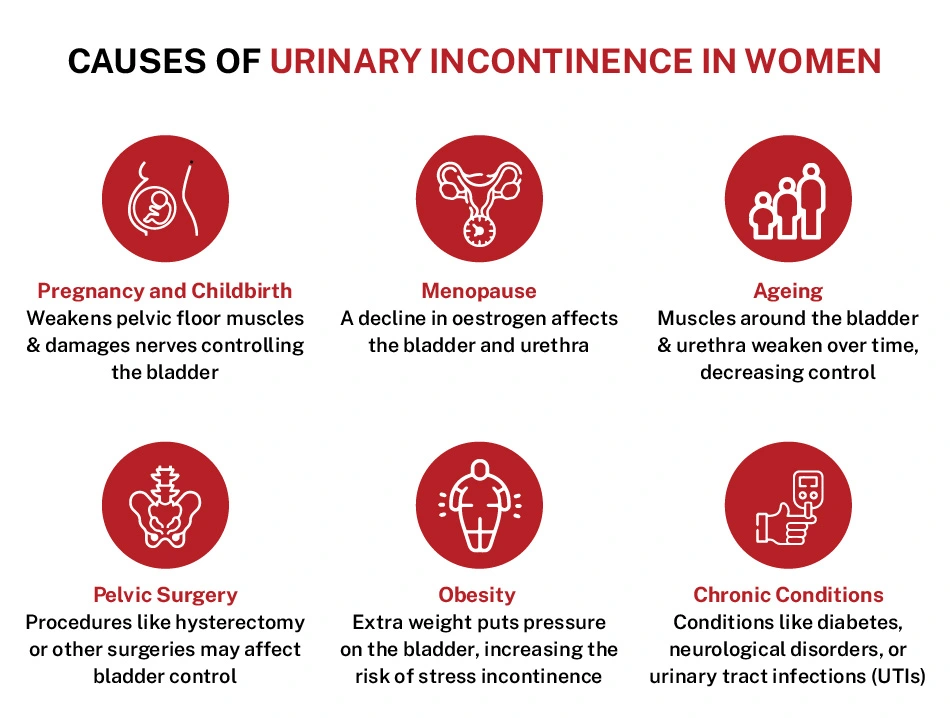

- Stay clear of bladder irritants and talk to your medical professional regarding therapy alternatives.
- Most people consider estrogen as the sex hormone that plays a major function in periods and maternity.
- If you're thinking of hormone treatment, it's important to talk with your medical professional and weigh the threats and advantages based on your complete health and wellness photo.
- While still in advancement, they offer hope for much more options in the future.
Exactly How Hrt And Glp-1 Medicines Aid With Menopause Weight Gain
Menopause is not the only consideration when looking for a reason for urinary system incontinence. Let's be clear, it is not an unavoidable part of aging and shouldn't be taken into consideration typical or just approved. If your pelvic floor isn't working together, you're likely experiencing any kind of number of painful or humiliating symptoms. When you begin taking a GLP-1 medication like Ozempic, it's normal to feel most delighted concerning results like far better blood sugar control and reaching your weight reduction objectives.
Modifications in hormone levels can make your bladder more sensitive and susceptible to irritation, resulting in symptoms like seriousness and constant urination. Menopause typically takes place in ladies between the ages of 45 and 55, with the typical age around 51. It's defined as the all-natural cessation of menstruation because of a decrease in the production of hormones like estrogen and progesterone by the ovaries. An extensive search of 911 scholarly magazines generated 469 replicate records, which were subsequently excluded.